I arrived at Emeryville to catch the ‘California Zephyr’ to Chicago and was informed that due to flooding the CZ would terminte in Denver. This decision had been made only a few hours prior to departure and left me stuck in Denver. The trip over the Rocky Mountains is awesome, this is probably the most scenic rail trip you can make in the US. I’m in Boston now, relaxing for a week or so. Photos to come…
Author: rodgerinnewyork
Birds, Australian that is…
 A young Hispanic man came into an emergency room in Austin, Texas some years ago with bad cuts and bruises shouting “Pollo gigante!” (Giant chicken!). It wasn’t, it was just an emu.
Texas had a love affair with emu ranching in the 1990’s aided by government funding, a huge promotion as an alternative to beef for food in addition to which they provided oil for lotions, skin for leather, feathers for clothes and enormous emerald eggs for four-person omelettes.
It was a classic boom and bust scenario. The price of a breeding pair reached $28,000 in 1993. Not taken into consideration was the fact that emus are very good breeders.
Emus lay 5-15 eggs in each clutch and can keep doing so for more than 16 years. With 12 surviving chicks a year, a single breeding pair can spawn 133 breeding pairs within five years and nearly 36,000 within ten years.
The population boomed at precisely the moment it was becoming clear that Americans had no appetite for a new red meat. By 1998 emus had no value.
Some were culled, some were neglected, and some fences were cut. The number of feral emus is debatable but they are not many. There are several small known mobs in remoter parts of Texas, at least one in Wisconsin and one in California.
So you don’t have to holiday at home to have the exciting experience of watching a 100 lb bird slide up your bonnet heading for the windscreen at 60mph.
Full credit to The Economist Magazine article ‘The great Texas emu bubble’ – What if tulips had been six feet tall and ran at 50km an hour?’ published Dec 18th, 2018
https://www.economist.com/christmas-specials/2018/12/18/the-great-texas-emu-bubble
Trees again, gum trees this time
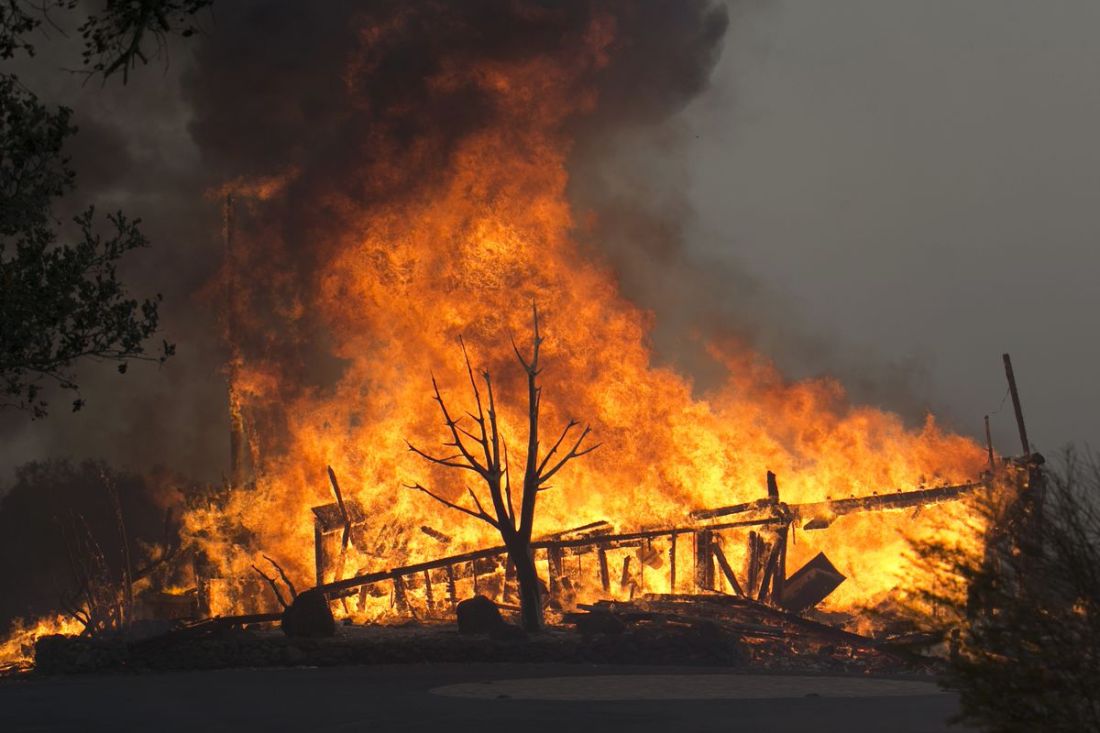
Golden Gate Park in San Francisco is analogous to Central Park in NYC, not only because they are such centrally located parks in similarly coast bounded cities, but because of what might have been. Central Park is 843 acres and Golden Gate Park is 1017 acres.
It is impossible to imagine selling off the Golden Gate Park for residential development now but one of it’s initial functions was to earmark land for housing as San Francisco expanded west to the pacific coast.
By declaring a park (very much influenced by Central Park) the land could be reserved and random haphazard unzoned development could be avoided. Shantytowns and businesses were built and dispersed in the early days, and thanks to some excellent choices in personnel the Golden Gate Park got started on it’s current history.
In 1876 the whole crazy idea very nearly got dumped in favour of a horse racing track, supported by well known local millionaires.
There was a lot of back room dealing etc. going on, but I’ll skip over that to the part where they start planting on the sand and shore dunes that made up 75% of the land. ‘What trees should we plant?’ they asked.
They decided on a nice incendiary mix of Eucalyptus globulus (Tasmanian bluegum), pinus radiata (Monterey pine) and Cupressus macrocarpa (Monterey cypress), with some fillers. ‘How many should we plant?’ they further enquired. ‘20,000 each in the first year another 20,000 in the next year.
It’s a good thing San Francisco is so damp. They have eucalyptus bush fires, in the middle of a mid city park that… These pictures capture a series of fires in Golden Gate Park in November 2018.
All news and photo credits as due http://www.ktvu.com/news/officials-6-separate-fires-in-golden-gate-park-in-less-than-24-hours
Trees
La Mesa Drive in Santa Monica, LA is an unusual tourist attraction. A quiet residential street, about a kilometre in length from start to finish, La Mesa Drive is lined with Moreton Bay Fig trees, 60 down each side. And I don’t mean saplings, these specimens were planted in the late nineteenth century.
The story goes that the plan was to plant Magnolia trees. In the day LA was mostly open plains and shade trees were a desirable feature. At a young age Moreton Bay Figs and Magnolia saplings share some similarities to look at, and somehow they became mixed. The trees were identified officially as Magnolia trees as late as 1936.
The original trees were shipped from Australia in the 1870’s and were literally given away to anybody who turned up at the dock and asked for them. Surprisingly for a rain forest climate type of tree they thrived in the drier climes of LA. They show up quite regularly when you’re roaming around LA, and this post was inspired by the news that one of the 4 144 year old Moreton Bay Fig trees at the historical founding site of ‘El Pueblo de Nuestra Señora la Reina de los Ángeles’ had expired. This historical site is right out the front entrance of Union Station and was the very first place I visited in the USA.
Californians also imported millions of eucalypts beginning in the 1850’s, mostly blue gums, but they don’t remember this species anywhere near as fondly as they do the magnificent Ficus. Eucalypts where a bit of a con job from Australia’s end. ‘Fast Growing’, definitely. ‘Look at these railway sleepers made from eucalypt’. A very big reason for interest in eucalypts, railway companies managed plantations of trees for the ongoing expansion of their tracks and the need to periodically replace each sleeper. The sleepers exhibited were beautiful, filled every specification, couldn’t be better. Problem was they were made with centuries old virgin forest timber and this was not the product you get with 15-20 year old plantation trees. Supposedly it’s pretty useless until it’s a century or more old.
And it burns, in October 1991, the Oakland firestorm killed 25, injured 150, destroyed 2800+ single house dwellings and 430+ apartments. Why do I mention this? To this day eucalypts are one of the most prolific wild seeding plants in this landscape.
Donner Pass
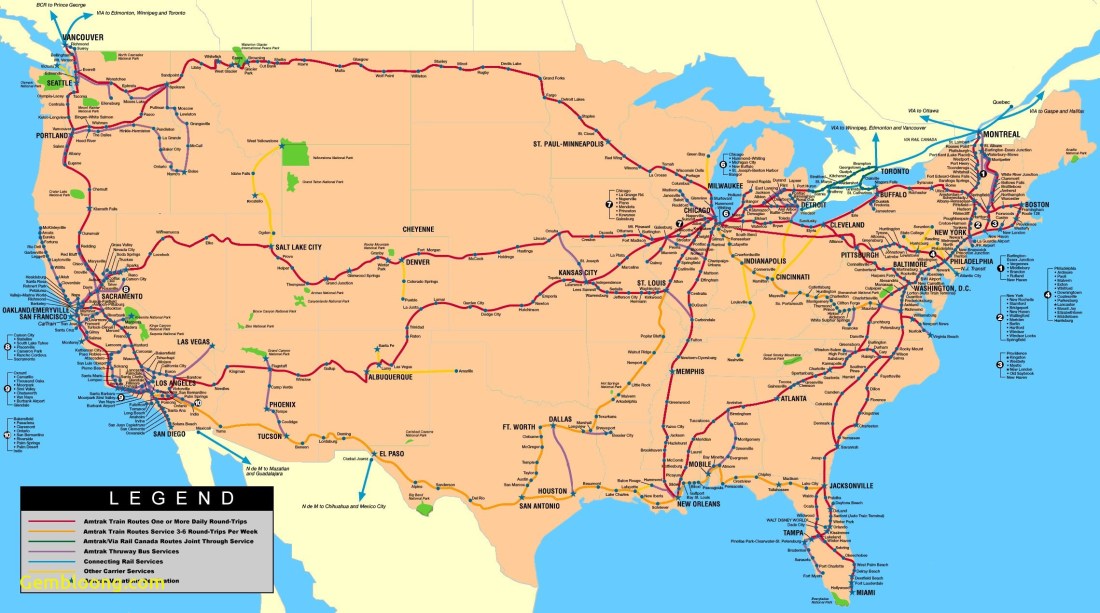
In the two decades of the 1840’s and 1850’s, the California Trail carried over 250,000 gold-seekers and farmers to the state’s gold fields and rich farmlands. It was the greatest mass migration in American history. The Oregan trail ran a few hundred miles north after it seperated from the California Trail. I will be travelling this route in reverse from SF to Sacremento and then up through the Donner Pass and to Truckee. Once clear of the Sierra Nevada Mountains the train heads for Salt Lake City. The hardships and deprivations these travellers endured can’t be overstated. The Donner Pass was notable for the Donner-Reed wagon train that was forced to over winter there, TL:DR: 87 people were trapped, 48 survived, Cannibalism was suspected.
Travel Update
Latest Travel Update:
I arrive in San Francisco about 12 pm on the 31st March, and I should clear customs etc. by 2 pm. I’ll catch an Antioch line (yellow) BART train to Powell Street (US$9.65 one way and running every 20 mins on Sunday) and check in at the Hotel Zelos on the corner of 4th and Market, about 60 metres from the station in the area known as SOMA or South of Market.
Next morning, about 6 am I’ll check out and catch the BART to 19th St, Oakland and then the local bus to Shellmound at Public Market, next to the Amtrak station. US$4 for BART and $4 for the bus.
As a non driving non license holder I will be travelling solely by Public Transport across 6000 miles of the US, and I will be making observations on how easy or not it is to do so.
AMTRAK
I’ve travelled Amtrak before. This trip, SF to Boston, is because I like travelling Amtrak. The trains have observation cars, showers, bar service and very small convenience stores on the lower level of the dining car. They stop regularly and local residents use them for instate travel. You meet a remarkable cross section of people from all walks, the obvious anomaly being I have never met an Australian any where but in LA and NYC.
The cost: SF to Boston Single roomette AUD$1200, meals inc., tips extra.
Richmond, VA.
It’s settled. My final destination after a week in NYC will be Richmond Virginia.
I considered a few options: Miami, nah…what’s the point? Long Island to Rhode Island, Martha’s Vineyard etc.. Attractive idea but perhaps a few too many deer ticks at that time of the year. Richmond VA, sounds great, about 227,000 population, similar to the Greater Wollongong (Illawarra) region. I am an amateur Civil War history buff and as far as that goes Richmond’s the place to be. Appomattox is a day trip away and Newport News/Hampton about the same in the opposite direction. Richmond, Virginia, join me in March 2019.
Dates
In March 2019 I’ll be taking the California Zephyr from Oakland to Chicago, stops not planned as yet. From Chicago it’s the Lake Shore Limited to Boston for a short stay. High Speed Acela Express to New York for a couple of weeks. I think I may head down to Miami Beach for a day or two to break the boring monotony of New York City.
New Year’s Day 2018
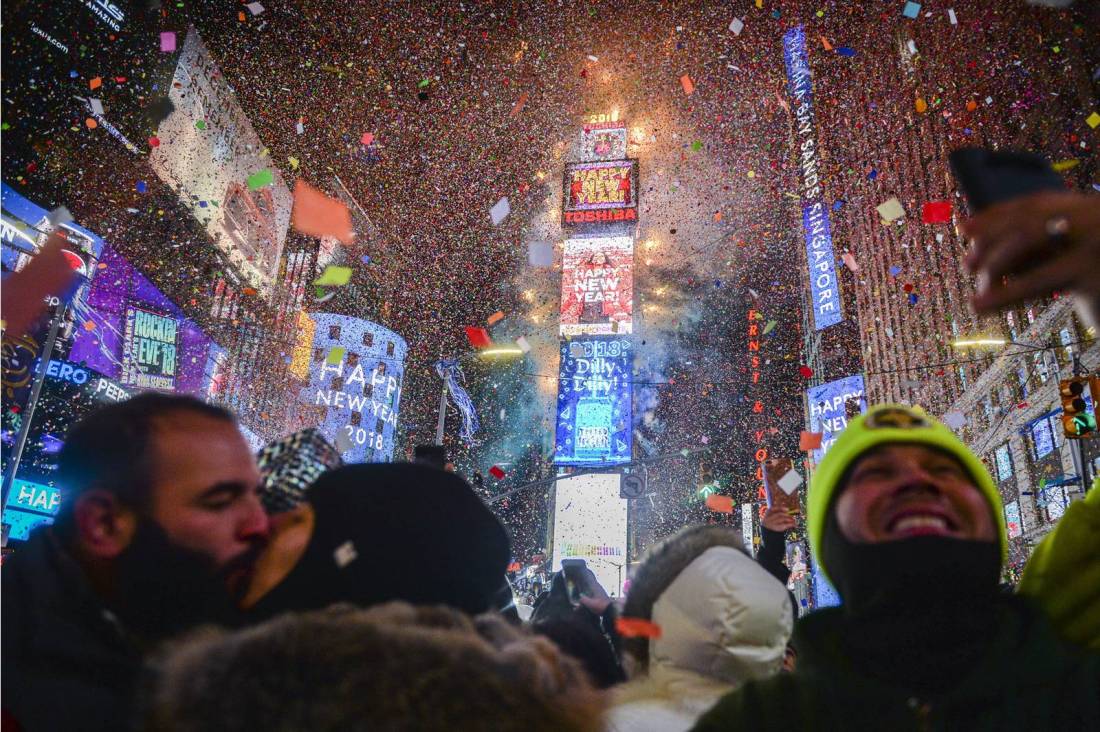
Welcome….
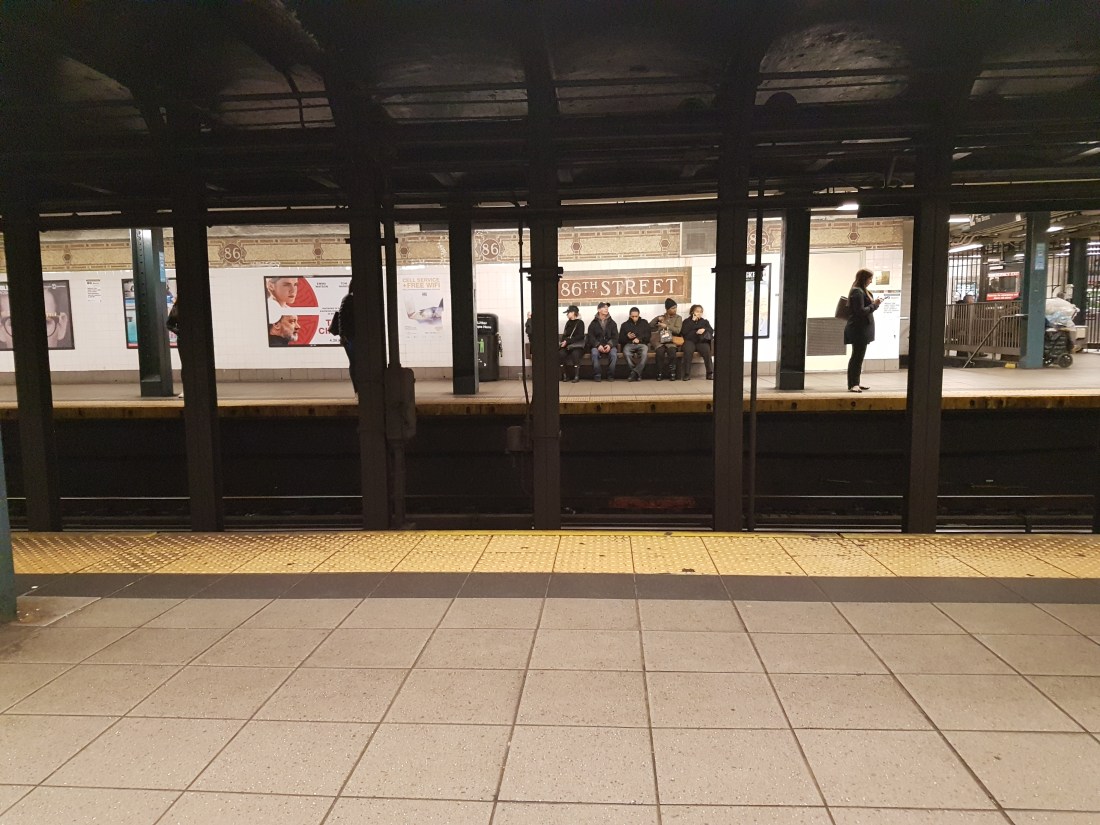
My first post on wordpress. I am preparing for my next trip to NY and this site will be where I record the trip.
Departure from Wollongong is the 29th December…
Arrival at JFK is the 29th December.
Please join me then….
 rodgerinnewyork.com